Zinc for Babies: Why It Matters

Most parents in Pakistan hear a lot about iron and calcium, but zinc for babies gets far less attention. Zinc is a mineral that the body uses for normal growth, healthy skin and a working immune system. Breast milk provides some zinc, but from around 6 months your baby's needs grow faster than milk alone can meet, so the foods you choose for complementary feeding really matter.
Why zinc matters after 6 months
In the first months of life, a full-term baby relies on breast milk and the stores built up before birth. As your baby grows, crawls and starts to stand, the body needs more building blocks, and zinc is one of them. It is involved in cell growth, wound healing, taste and appetite, and the normal working of the immune system.
This does not mean you need supplements or special products. For most healthy babies, a varied diet with animal-source foods and pulses, alongside continued breastfeeding, covers zinc needs well. Supplements should only be given if your doctor advises them.
Best zinc foods in a Pakistani kitchen
Zinc from animal foods is absorbed more easily than zinc from plant foods. WHO advises offering meat, chicken, fish or egg every day where possible, and this also helps with zinc and iron. Good everyday sources include:
- Beef and mutton (gosht): among the richest sources. Cook until very soft and mince or mash finely.
- Chicken (murghi): dark thigh meat has more zinc than breast meat.
- Eggs (anday): fully cooked yolk and white, mashed or scrambled.
- Fish (machli): soft, boneless pieces, flaked carefully.
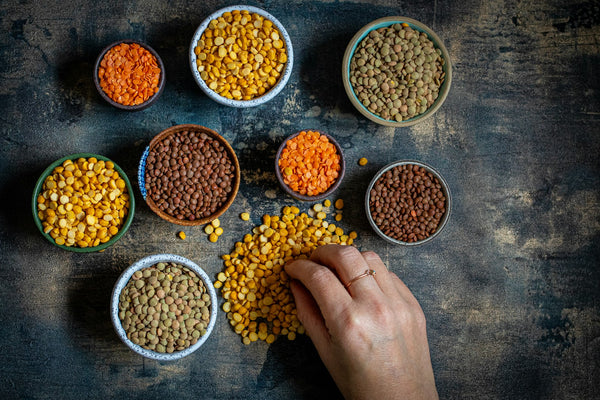
- Daal and pulses: masoor, moong and chana daal, cooked soft and mashed.
- Dahi (yogurt) and paneer: smaller amounts, but useful in a mixed diet.
- Whole grains: daliya, oats, barley and bajra add a little zinc too.
- Seeds and nuts: only as a fine powder or thin smooth paste, never whole, and introduced one at a time because of allergy risk.
Helping your baby absorb more zinc
Grains and pulses contain natural compounds called phytates that reduce how much zinc the body takes in. You do not need to avoid these foods, just prepare them well:
- Soak daal and grains for a few hours before cooking and throw away the soaking water.
- Combine plants with a little animal food, for example khichdi with minced chicken or a mashed egg stirred in.
- Use dahi alongside meals once your baby is used to it, as fermented foods are easier on the gut.
- Rotate foods rather than relying on the same cereal every day.
How much and how often by age
Instead of counting milligrams, think about how often zinc-rich foods appear:
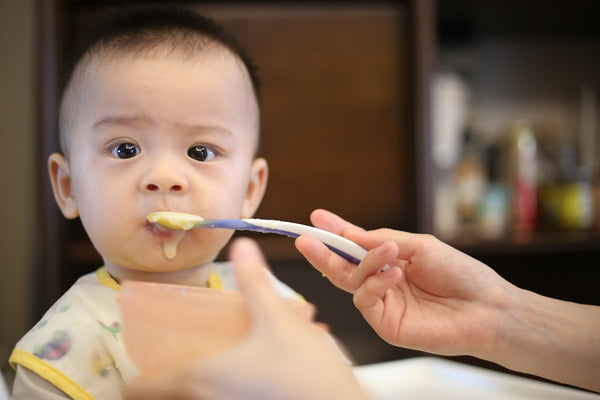
- 6–8 months: 2–3 small meals a day. Offer a few teaspoons of mashed meat, egg or daal in at least one meal, increasing slowly to 2–3 tablespoons.
- 9–11 months: 3–4 meals plus 1–2 snacks. Aim for an animal-source food daily and daal several times a week, with mashed or finely chopped textures.
- 12–24 months: family foods cut small. Keep offering meat, chicken, egg or fish daily and daal regularly, while continuing breastfeeding.
Remember: no added salt or sugar before 12 months, and avoid fried or very spicy family curries for young babies. Take your baby's portion out before adding salt and masala.
A simple zinc-friendly meal
Cook a handful of soaked masoor daal and rice with a little mutton or chicken mince, a slice of lauki and a pinch of zeera until everything is very soft. Mash or blend to the right texture for your baby's age. Stir in a little ghee or oil for energy. This can be cooked in bulk and refrigerated for a day or frozen in portions.
On busy days, a ready porridge can save time. Our Savoury Rice Porridge is a gentle rice-based base you can mix with mashed daal, egg or soft chicken to make a quicker meal; the porridge itself is not a zinc supplement, so keep the protein foods coming.
Frequently asked questions
Does my baby need a zinc supplement?
Most healthy babies do not. Zinc supplements are given for specific medical reasons, such as during diarrhoea treatment as prescribed by a doctor. Do not give them on your own.
My baby is vegetarian. How do I cover zinc?
Use eggs and dairy if your family eats them, offer soaked and well-cooked daal daily, and include whole grains. Speak to your paediatrician about whether extra checks are needed.
Can low zinc cause poor appetite?
Zinc is linked with taste and appetite, but a poor appetite has many causes. If your baby is eating little, not gaining weight or often unwell, see your doctor rather than guessing.
For more ideas, read our Iron-Rich Foods for Babies: A Pakistani Kitchen List and Mutton for Babies: Introducing Red Meat Safely.
This guide is general information, not medical advice. Please check with your paediatrician before starting new foods, especially if your baby has allergies, reflux or was born early.